
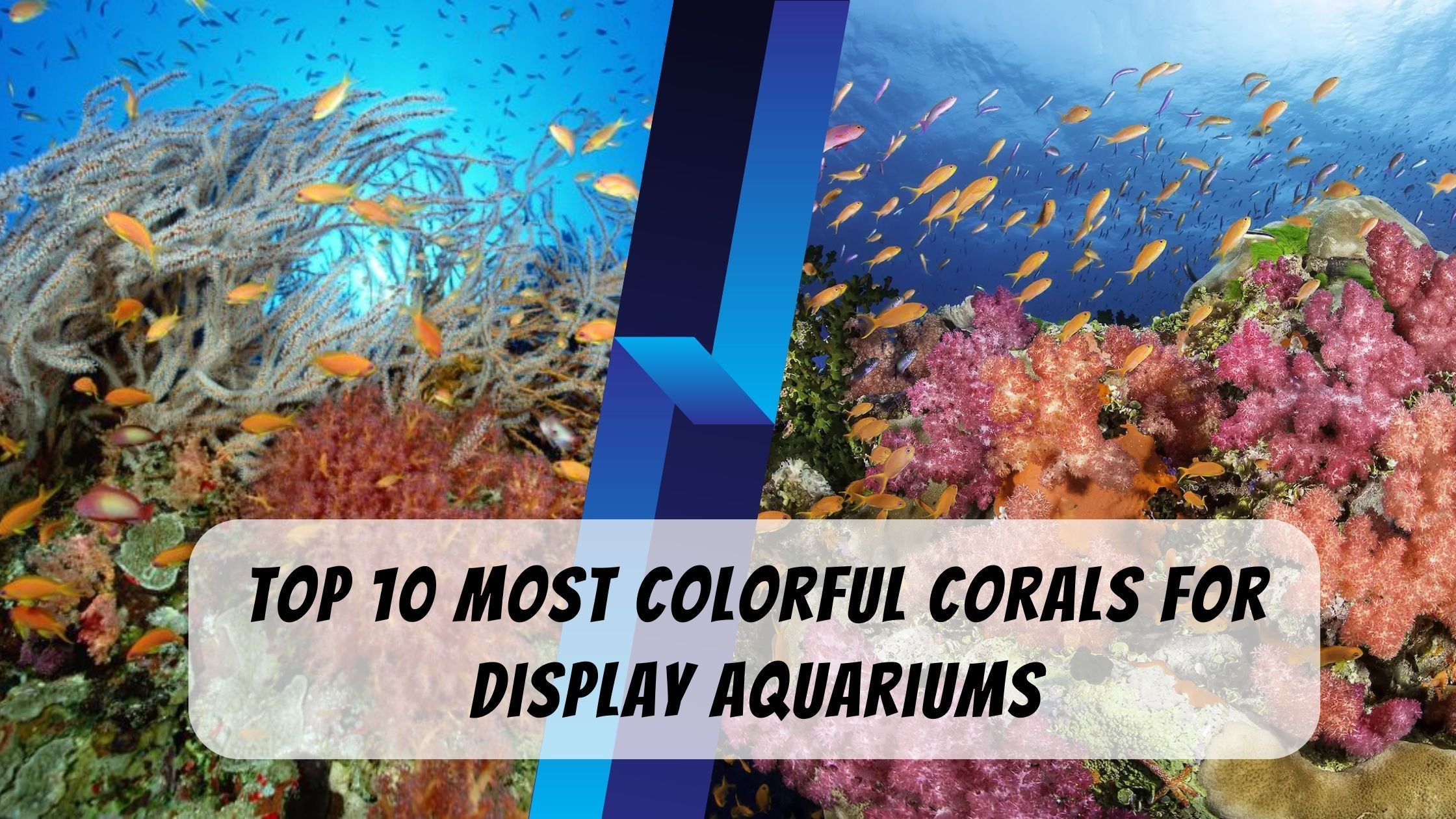
Creating a stunning show tank starts with selecting corals that deliver maximum visual impact. Whether you're building a display aquarium for your home, office, or commercial space, or showcasing premium specimens in a retail setting, these ten Colorful Corals will transform your reef into an underwater masterpiece that captivates every viewer.
Why Colorful Corals Matter for Display Tanks
Vibrant corals are the centerpiece of any show tank, creating depth, contrast, and visual interest that distinguishes an ordinary aquarium from an extraordinary living artwork. The right selection of Colorful Corals can turn a standard aquarium into a gallery-worthy display that showcases the incredible beauty and diversity of marine life.
For aquarists in UAE and Dubai, selecting premium corals means investing in specimens that not only survive but thrive, maintaining their brilliant colors for years to come. Display tanks require careful planning, considering factors like coral compatibility, lighting requirements, water flow needs, and growth patterns to create a harmonious and visually stunning ecosystem.
The Top 10 Most Colorful Corals for Show Tanks
Here are top 10 Most Colorful Corals for Aquariums
1. Rainbow Open Brain Coral (Trachyphyllia)
Open brain corals are real eye-catchers with their rainbow of colors. These corals show almost every color you can imagine bright greens, blues, reds, and purples all in one coral.
What makes them extra special is how they glow under blue LED lights. Under UV lighting, they create amazing color displays that look almost magical. Their large polyps move during feeding time, which adds more interest to your tank.
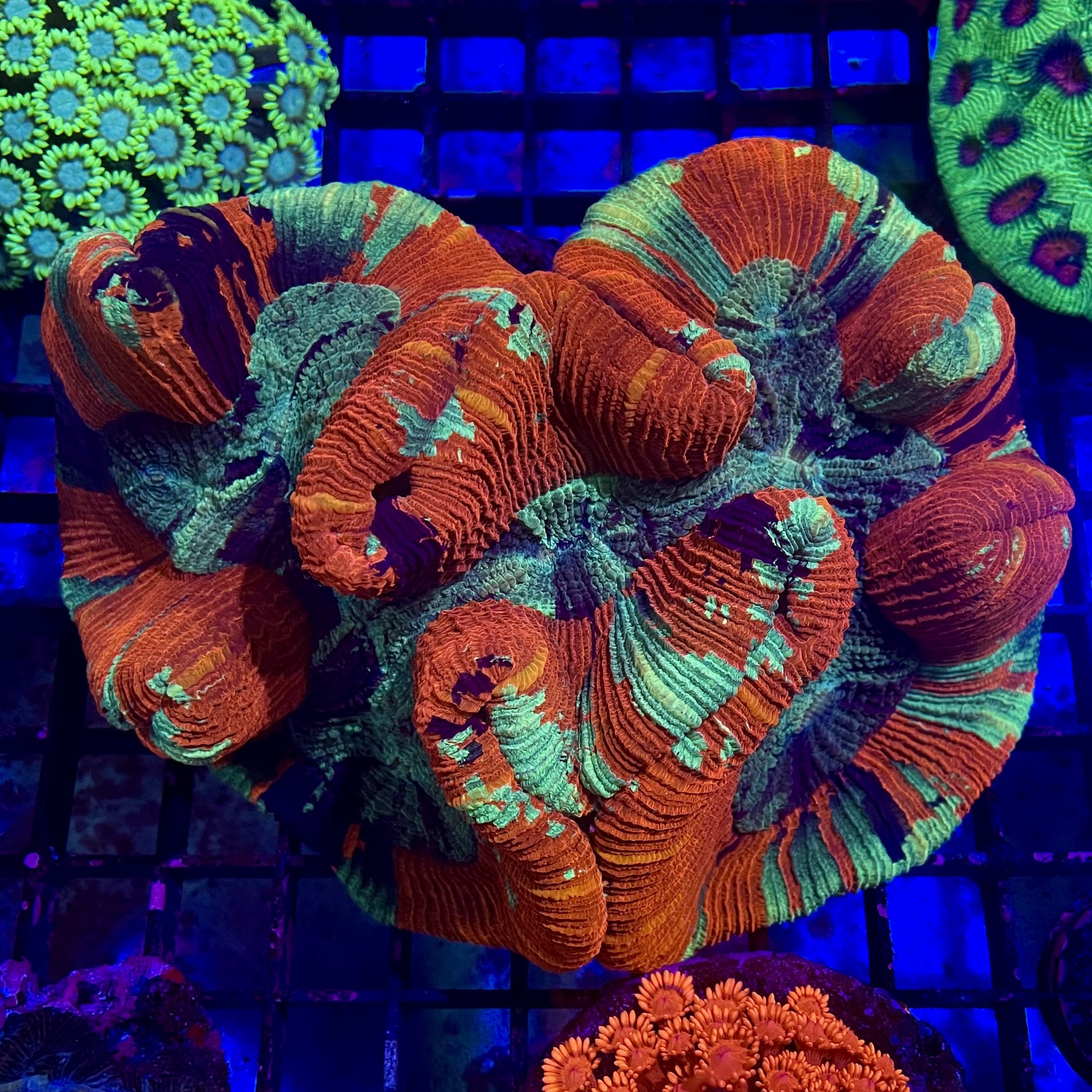
These corals are good for people in UAE who want premium display pieces. They're easier to keep than many corals and can handle different tank conditions. They like medium light and gentle to medium water flow.
2. Zoanthids (Zoas and Palys)
Zoanthids are must-have corals for any colorful display. They come in nearly every color possible neon greens, electric blues, bright oranges, hot pinks, deep purples, and even rainbow combinations.
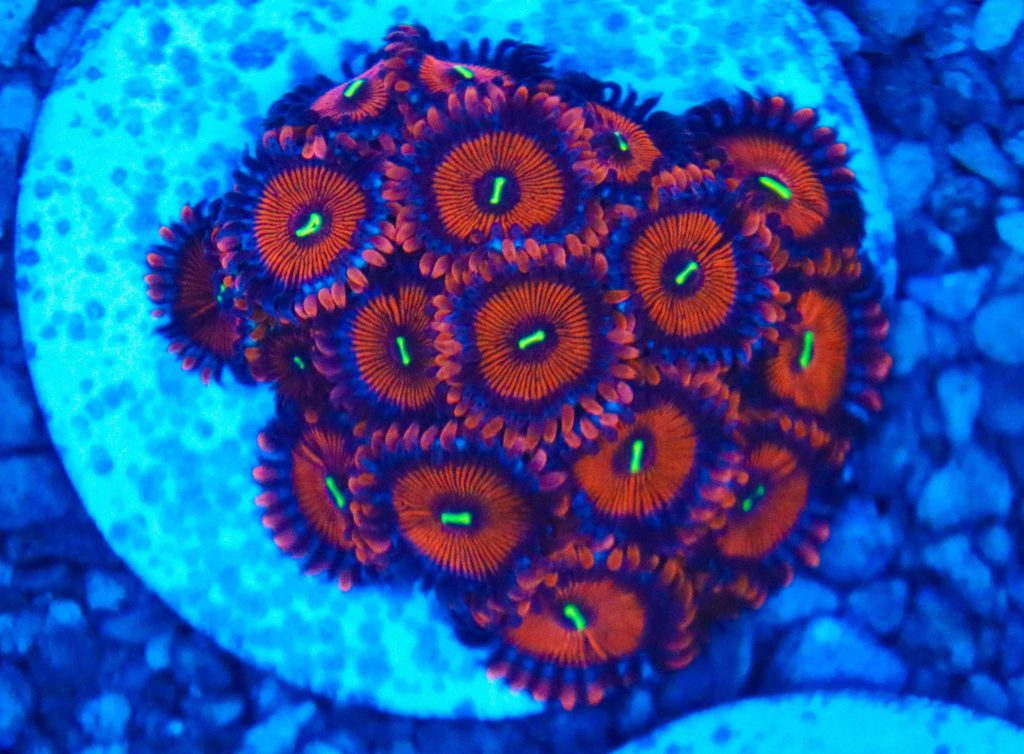
What makes zoanthids great for displays is how they grow. They spread across rocks like colorful carpets, filling empty spaces between bigger corals. A good zoanthid collection can have dozens of different types, each adding unique colors.
Zoanthids are popular with coral collectors in Dubai because they're easy to care for, grow quickly, and can handle different lighting conditions. Named types like "Candy Apple Reds" and "Rainbow Incinerators" are extra colorful and highly valued.
3. Staghorn Coral (Acropora)
Acropora corals are the kings of branching corals. They create beautiful three-dimensional shapes while showing off amazing colors like blue, purple, green, pink, and orange.

The tips of Acropora branches often have different colors than the base, which creates stunning effects. Blue-tipped and purple-tipped varieties are especially popular for show tanks. Under LED lights with strong blue spectrum, these corals glow with incredible intensity.
These corals need more care and are best for experienced aquarists in UAE. They need stable water, strong lighting, and good water flow, but they reward you with amazing beauty and fast growth.
4. Brain Corals (Favites and Favia)
Brain corals are hidden gems that deserve a spot in any colorful display. They have maze-like patterns that look like brains, with each polyp creating interesting textures and colors.
What makes brain corals special is their contrasting colors. Each polyp mouth is often a different color from the rest like green bodies with red mouths, or orange polyps with yellow centers. This natural contrast looks great even from far away.
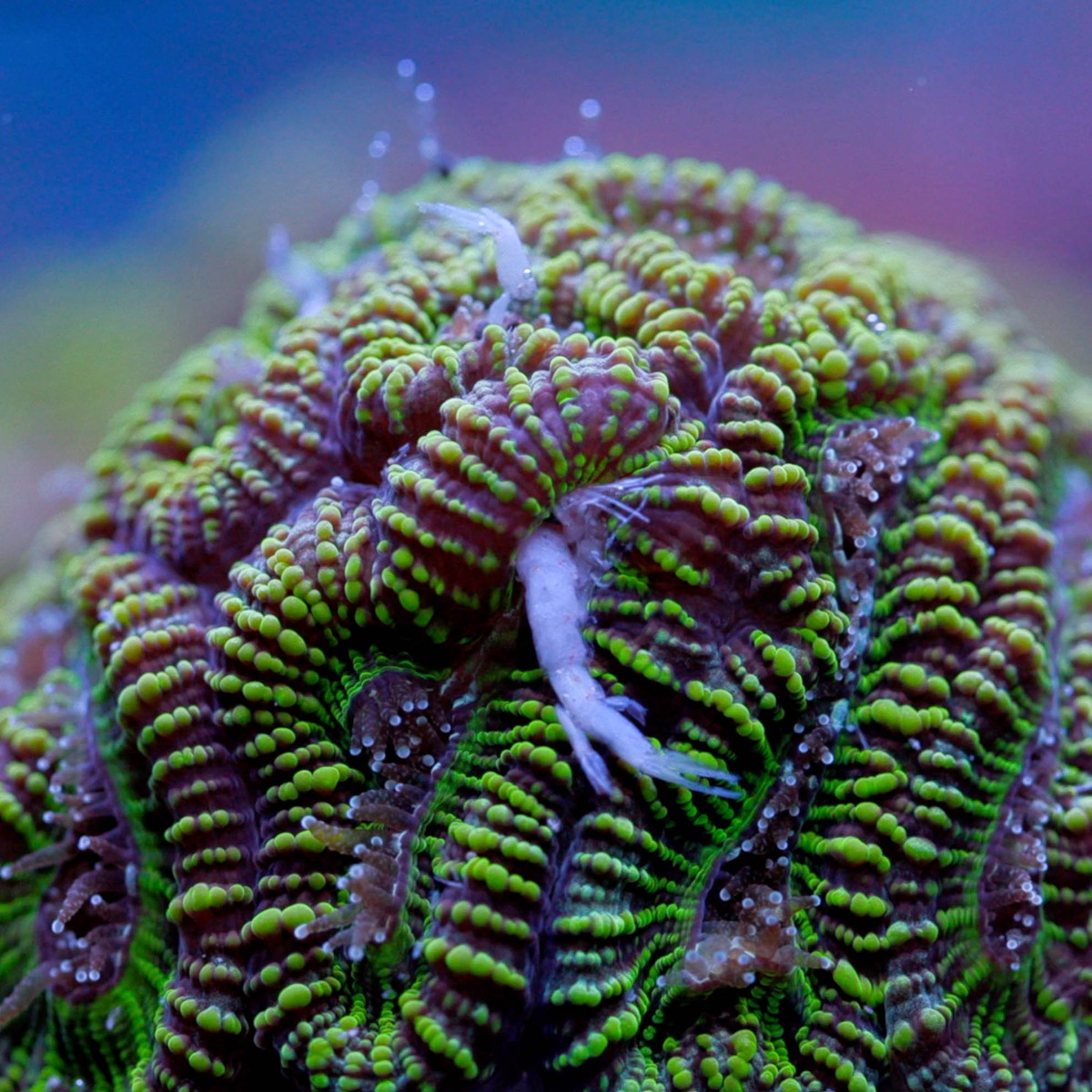
Brain corals are excellent for display tanks because they grow slowly and stay compact, making them easy to place. They handle medium lighting and flow well, which makes them good for aquarists building their first premium display in Dubai.
5. Chalice Corals
Chalice corals are collector favorites with some of the most stunning color combinations available. These flat-growing corals show bright base colors usually greens, purples, oranges, or reds with dramatically different colored mouths or "eyes".
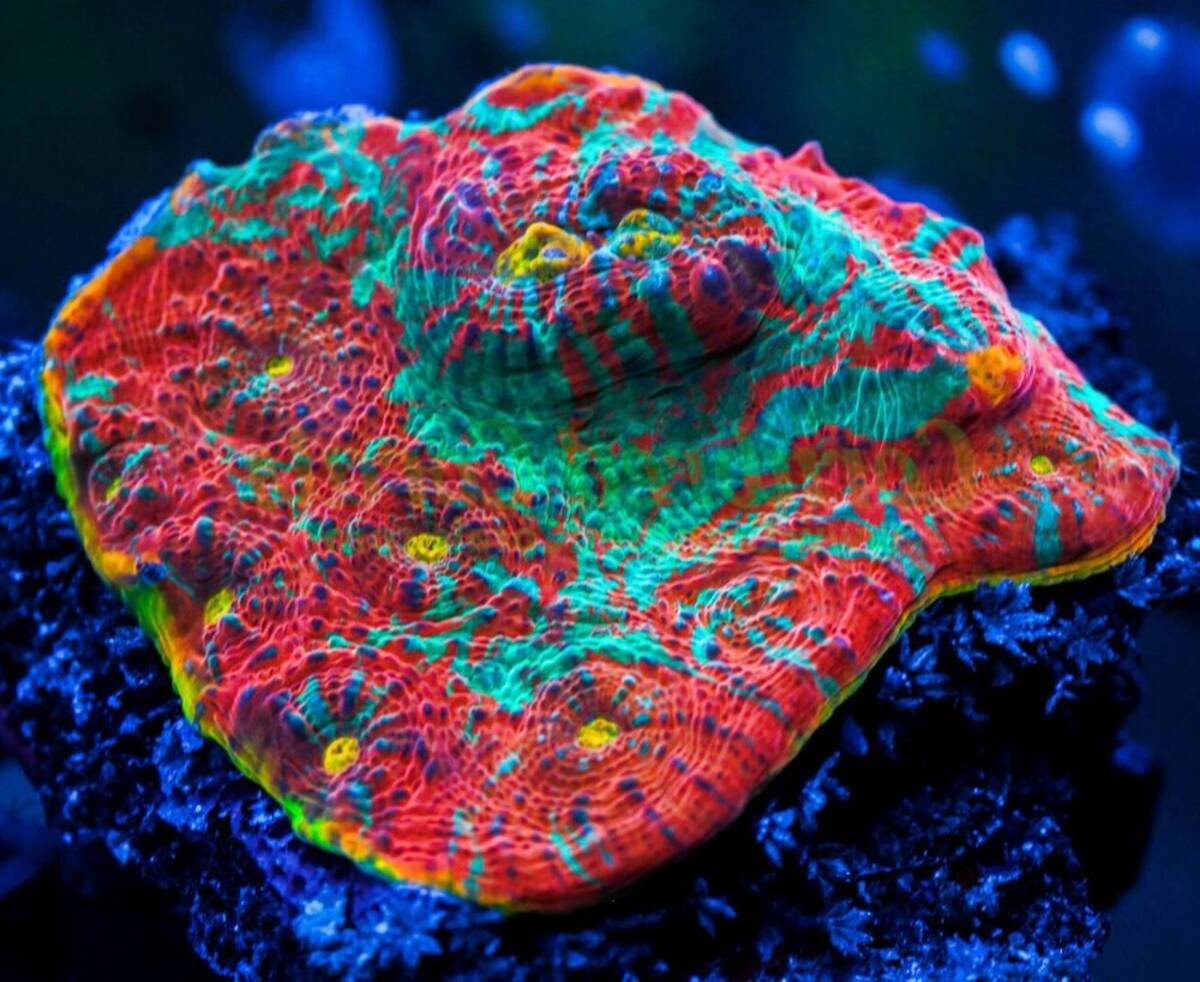
Popular types include the "Miami Hurricane" with electric orange and green, and "Watermelon" chalices with pink bodies and green accents. The contrast between body color and eye color creates a spotted appearance that's really eye-catching.
Chalice corals have another advantage: they grow relatively fast and create colorful focal points in your tank. They like medium lighting and flow, and they're known for keeping vibrant colors even when conditions aren't perfect.
6. Sun Coral (Tubastraea)
Sun corals deliver bright bursts of yellow, orange, red, and pink that add warmth to any display. These corals don't need light to survive, which means you can put them in shaded areas where other corals can't grow. When their polyps open during feeding time, sun corals create spectacular displays that look like underwater flowers. Each polyp opens wide showing brilliant colors.
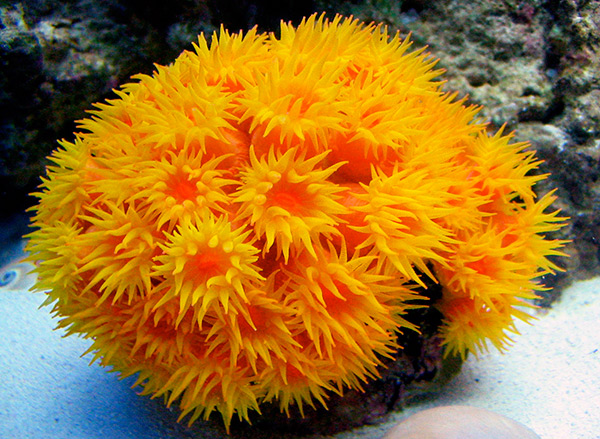
Sun corals need regular feeding with meaty foods, but their stunning appearance makes them worth the extra effort for serious display tanks. They're perfect for adding depth to show aquariums in UAE.
7. Carnation Coral (Dendronephthya)
With white stems and carnation-shaped clusters in pink, red, orange, and yellow, these soft corals are some of the most beautiful species available. Their flower-like appearance creates an elegant look that contrasts nicely with stony corals.
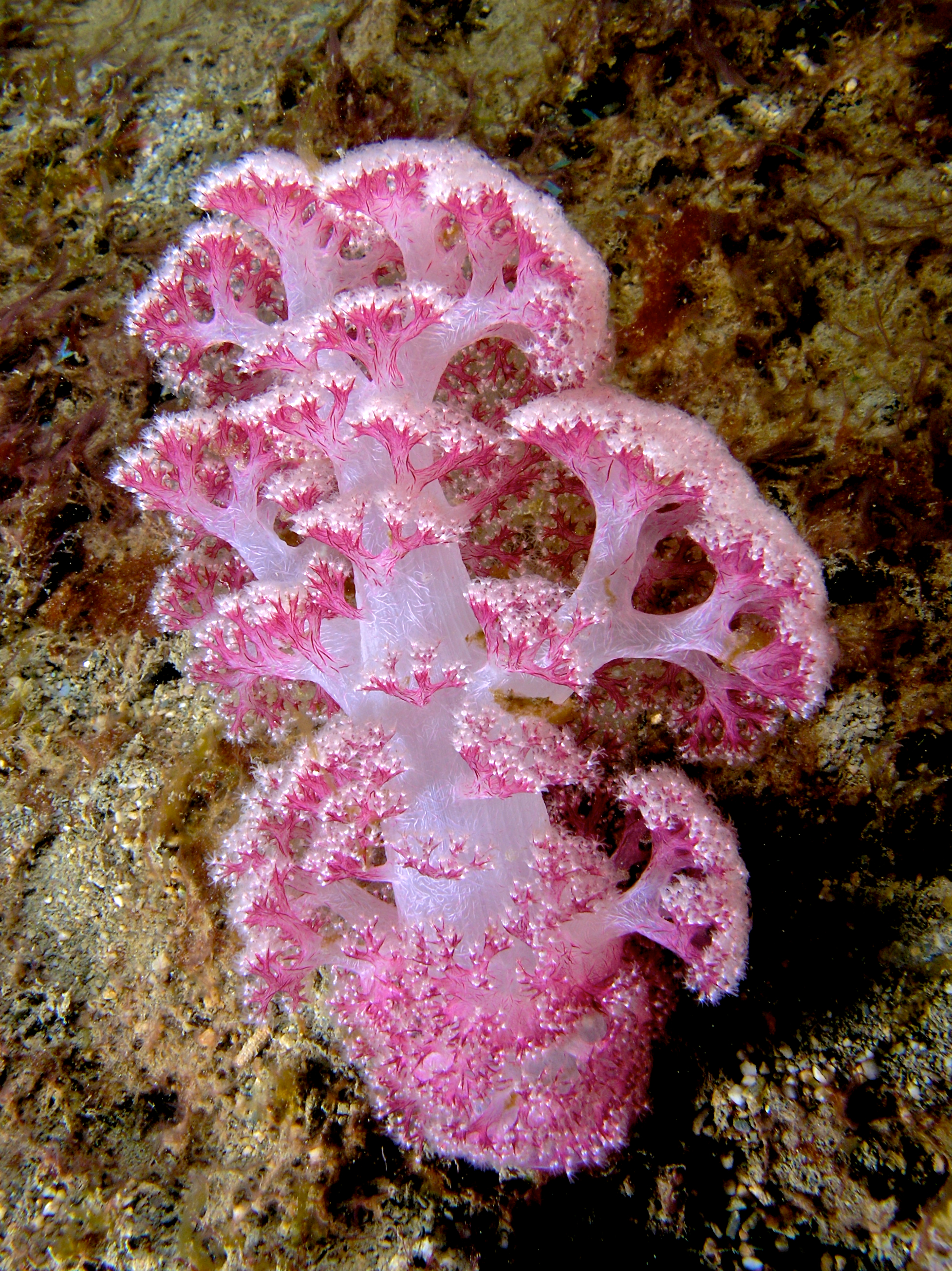
Carnation corals don't need light, so they can go in caves or darker areas of display tanks where they create unexpected pops of color. When fully inflated, they balloon into cloud-like formations that seem to float. These corals need dedication to regular feeding, but for aquarists committed to creating the ultimate show tank, they deliver unmatched beauty.
8. Sea Whip Coral (Leptogorgia)
These elegant soft corals have slender, whip-like branches in eye-catching red, orange, yellow, and purple that sway gracefully with water movement. Growing up to 3 feet long, sea whips add height to deeper sections of display aquariums. Sea whips create a sense of motion in aquascapes. Their flexible branches bend and sway with currents, adding dynamic movement. Their bright colors stand out against rockwork and dark backgrounds.

Like other non-light-dependent corals, sea whips need regular feeding but reward you with striking beauty. They work especially well when positioned to catch water flow, creating hypnotic swaying motions.
9. Torch, Hammer, and Frogspawn Corals (Euphyllia)
Euphyllia corals deserve special mention for their combination of movement, color, and easy care. Torch corals have long, flowing tentacles tipped with bright colors often neon greens, purples, or oranges that wave in the current like flames.
Hammer corals have anchor-shaped tentacle tips in similar vibrant colors, while frogspawn corals have branching tentacles with rounded tips. All three types create stunning displays, especially under blue lighting that makes their fluorescent colors glow.
What makes Euphyllia corals perfect for display tanks in UAE is they're hardy but still look amazing. They handle medium lighting and flow, grow at reasonable rates, and keep their colors reliably. Their movement adds life to static aquascapes.
10. Gorgonian Sea Fans
These elegant soft corals have intricate, net-like branching patterns in off-white, yellow, lavender, and purple that create sophisticated visual interest. Unlike bushy corals, sea fans grow in flat, fan-shaped planes that add unique architectural elements.
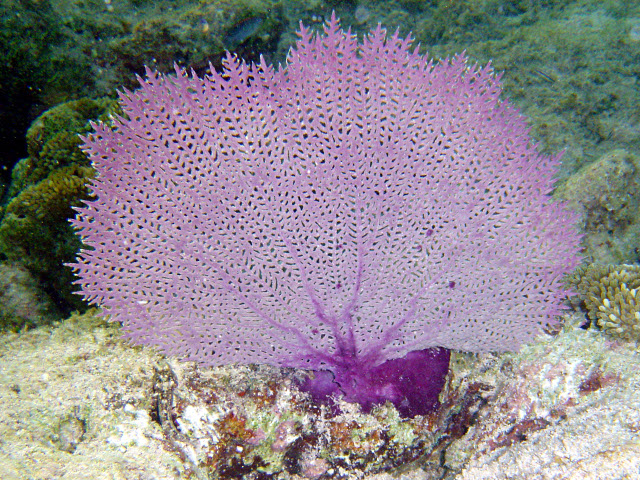
Sea fans work especially well when positioned to catch water flow, allowing them to sway dramatically. When properly placed with back-lighting, they create stunning silhouettes that add depth. Most aquarium gorgonians need regular feeding. Their delicate structure and elegant appearance bring a sophisticated look to premium display tanks.
Creating Stunning Color Combinations
Strategic Color Placement
The key to maximum visual impact is strategic positioning of corals with contrasting or complementary colors. Pair warm-colored corals (oranges, reds, yellows) next to cool-colored specimens (blues, purples, greens) to create dramatic contrasts that make both corals pop.
Consider creating color zones or gradients that guide the eye through your display. For example, transition from purple and blue corals on one side through greens in the middle to oranges and reds on the other side, creating a rainbow effect. Or cluster similar colors in groups with contrasting accents for bold, graphic impact.
Lighting for Maximum Color
Proper LED lighting with adjustable spectrum control is essential for bringing out the best colors in display corals. Blue and UV wavelengths enhance fluorescent pigments, making corals glow with intense, vibrant colors that aren't visible under white light alone.
Many modern reef LED fixtures allow independent control of multiple color channels. Use higher blue percentages (60-70%) with accents of violet and UV to maximize fluorescence, then add white channels (20-30%) to create natural-looking color rendering. Experiment with spectrum settings to find combinations that make your specific coral collection look its absolute best.
Aquascaping for Color Display
Design your rockwork aquascape to create visual depth and maximize viewing angles for Colorful Corals. Position showpiece corals at eye level where they'll receive the most attention, and use vertical structures to display corals at various heights.
Create negative space areas without coral to prevent visual overcrowding and allow each colorful specimen to stand out. White or light-colored backgrounds make colors pop more than black backgrounds, though dark backgrounds create more dramatic contrast and make fluorescent colors glow more intensely.
Maintaining Vibrant Colors Long-Term
Water Quality and Stability
Stable, high-quality water parameters are essential for maintaining vibrant coral colors over time. Regular water changes (10-20% weekly or bi-weekly), proper filtration, and careful monitoring of alkalinity, calcium, and magnesium keep corals healthy and colorful.
Many corals lose color intensity when stressed by fluctuating parameters. Invest in quality testing equipment and maintain consistency in temperature, salinity, pH, and major reef parameters. Stability matters more than hitting perfect numbers—corals adapt to conditions but struggle with frequent changes.
Nutrition for Color Enhancement
Proper nutrition directly impacts coral coloration. While photosynthetic corals derive most energy from light, they benefit from supplemental feeding with coral foods, phytoplankton, or amino acids that enhance color pigments.
Many coral foods contain color-enhancing compounds and nutrients that boost chromoproteins the pigments responsible for coral colors. Regular feeding with quality coral foods can dramatically improve color intensity, especially in LPS corals and certain soft corals.
Avoiding Color Loss
Several factors cause corals to lose color: excessive lighting (bleaching), insufficient lighting (browning), poor nutrition, water quality issues, or stress. Monitor your corals closely and adjust conditions if you notice color fading.
If SPS corals turn brown, they may have excessive zooxanthellae algae due to nutrients in the water or insufficient light. If corals pale or turn white, they may be bleaching from excessive light or temperature stress. Adjust lighting gradually and maintain stable conditions to preserve colors.
Sourcing Premium Colorful Corals in UAE
Choosing Healthy Specimens
When selecting Colorful Corals for display tanks in Dubai, Abu Dhabi, or anywhere in UAE, prioritize health over color. Look for specimens with good tissue extension, consistent coloration without pale patches, and strong attachment to their plugs or rocks.
Healthy corals should show polyp extension and feeding responses. Avoid corals with tissue recession, algae overgrowth, or signs of stress like excessive mucus production. A healthy coral with moderate color will develop better coloration over time than a stressed specimen with temporarily bright colors.
Visit Atomic Reef to browse their freshly added collection of exotic corals online and find the perfect colorful specimens for your UAE display tank. With proper care and the right coral selection from trusted sources like Atomic Reef, you'll create a stunning show tank that showcases the incredible beauty of reef ecosystems.
Conclusion
Building a colorful display tank with these ten stunning coral species creates a living work of art that showcases the incredible diversity and beauty of reef ecosystems. Whether you're in Dubai, Abu Dhabi, or anywhere in UAE, careful selection of Colorful Corals, strategic placement for maximum visual impact, proper lighting to enhance fluorescence, and diligent maintenance will result in an unforgettable underwater showcase.
Remember that creating a world-class display takes time, patience, and dedication. Start with hardy, colorful species like zoanthids and Euphyllia, then gradually add more demanding specimens as your experience grows. With proper care and attention, your show tank will develop into a stunning display that brings joy for years to come.


Share and get 15% off!
Simply share this product on one of the following social networks and you will unlock 15% off!