
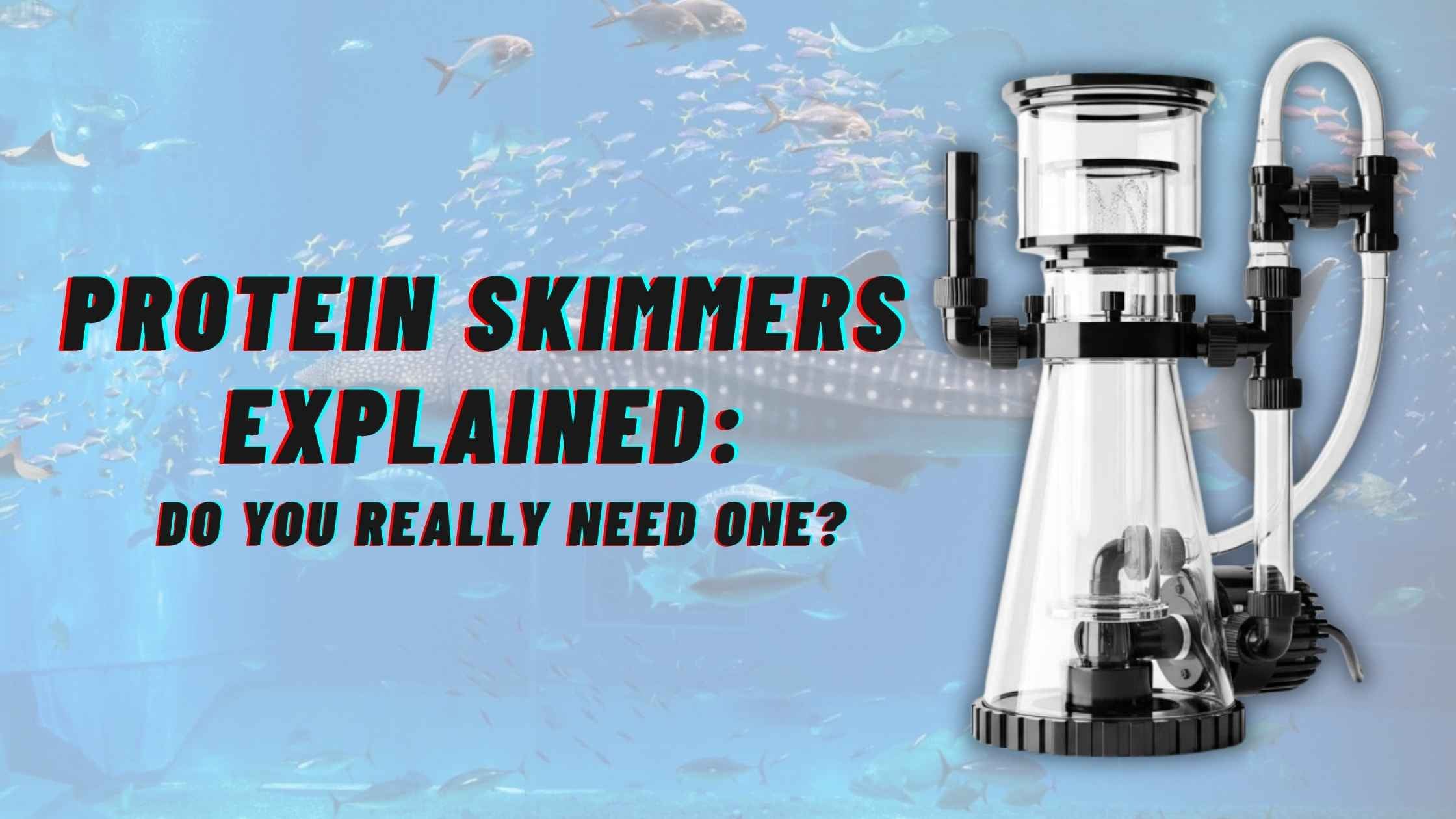
If you're setting up a reef tank or looking to upgrade your aquarium filtration system, you've probably encountered the term Protein Skimmers. This essential piece of equipment is often debated among aquarium hobbyists, with some swearing by its necessity while others question whether it's truly worth the investment. Understanding what a protein skimmer does and whether your specific setup requires one can make the difference between a thriving reef ecosystem and constant water quality struggles.
A protein skimmer is widely considered one of the most beneficial components of any saltwater aquarium filtration system. These powerful devices remove organic waste before it breaks down into harmful nutrients, helping maintain crystal-clear water and creating a stable environment for your marine life. Whether you're planning to stock your tank with vibrant zoanthids, delicate acropora corals, or colorful mushroom corals, understanding Protein Skimmers is crucial for long-term success.
What Is a Protein Skimmer and How Does It Work

A protein skimmer, also known as a foam fractionator, is specialized filtration equipment designed specifically for saltwater and reef aquariums. Unlike traditional mechanical filters that trap physical debris, Protein Skimmers target dissolved organic compounds that remain invisible in your water column. These dissolved wastes include proteins, amino acids, fatty acids, and other organic materials produced by fish waste, uneaten food, and decomposing matter.
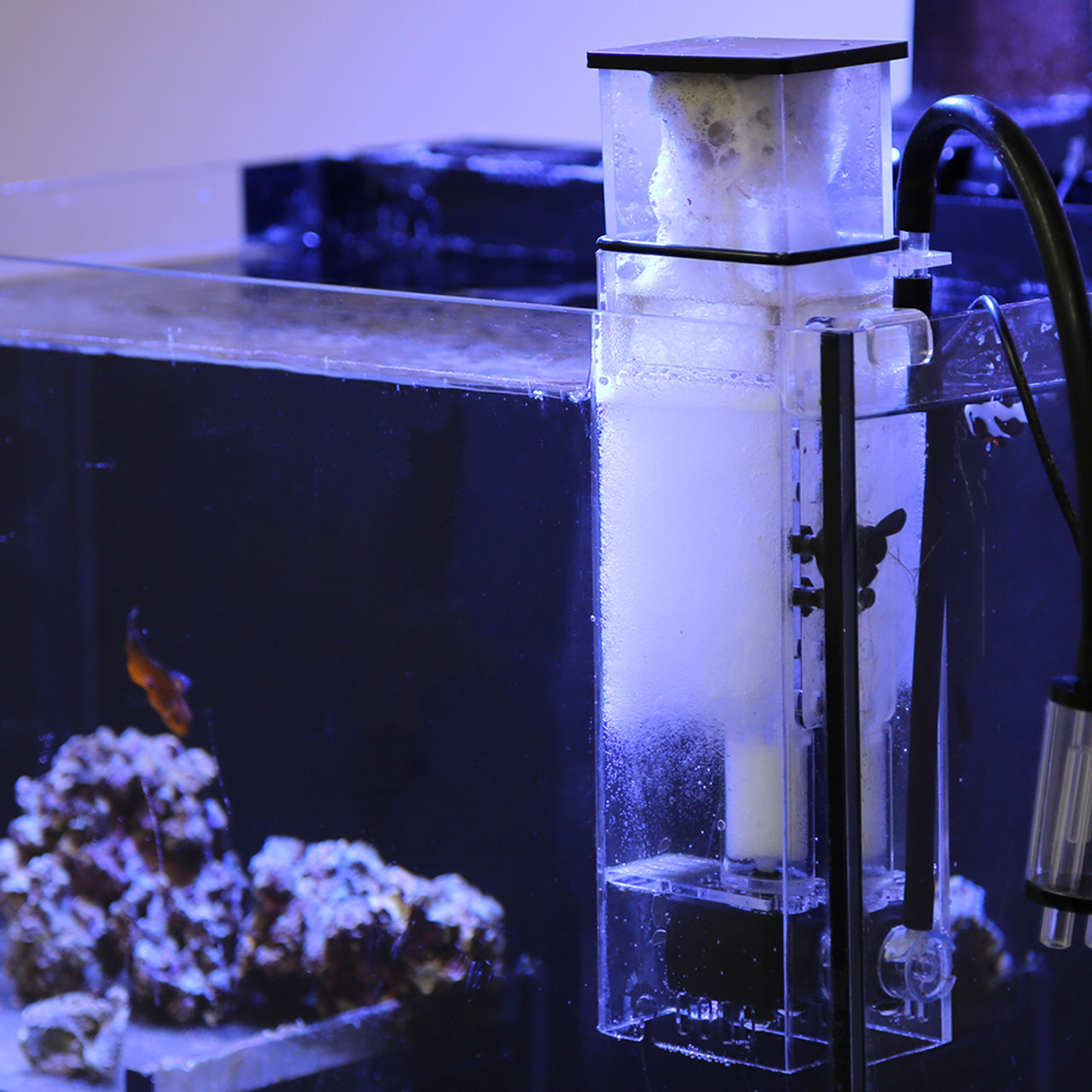
The device operates through a process called foam fractionation, which leverages the unique properties of saltwater. Inside the skimmer, a pump forces air and water together, creating thousands of tiny bubbles within a reaction chamber. These microscopic bubbles have a natural attraction to organic molecules due to their hydrophobic properties. As the bubbles rise through the chamber, they collect dissolved organic compounds on their surface.
The bubble-laden foam accumulates at the top of the skimmer and pushes into a collection cup, where it condenses into a dark, foul-smelling liquid waste. This concentrated waste, often called skimmate, represents all the dissolved organics that would otherwise remain in your aquarium water and eventually decompose into nitrates and phosphates. By removing these compounds before they break down, Protein Skimmers provide a proactive approach to maintaining water quality rather than dealing with problems after they occur.
Key Benefits of Using a Protein Skimmer in Your Reef Tank
Superior Water Clarity and Quality
Protein Skimmers excel at creating crystal-clear water that showcases your corals and fish in their best light. The removal of dissolved organic compounds prevents the yellowing effect that can occur in aquariums over time, maintaining that pristine transparency that makes viewing your underwater landscape so enjoyable. This enhanced water clarity isn't just aesthetic—it also allows better light penetration for photosynthetic corals like montipora caps and acropora species.
Nutrient Export and Algae Prevention
One of the most significant advantages of Protein Skimmers is their ability to reduce nitrate and phosphate levels before they become problematic. By removing organic waste at the dissolved stage, skimmers prevent the buildup of these nutrients that fuel nuisance algae growth. This proactive nutrient export minimizes the threat of unsightly hair algae, cyano bacteria, and other algae outbreaks that can quickly overtake a reef tank and stress sensitive corals like zoanthids and Scolymia.
Enhanced Oxygenation and Gas Exchange
Protein Skimmers provide an often-overlooked benefit by significantly improving water oxygenation. The vigorous mixing of air and water within the skimmer chamber, combined with the surface agitation created by the outflow, enhances gas exchange throughout your aquarium. This increased oxygen availability is particularly beneficial in densely stocked reef tanks where corals, fish, and beneficial bacteria all compete for dissolved oxygen, especially during nighttime hours when photosynthesis stops.
Biofilm and Surface Scum Control
The constant water circulation through a protein skimmer helps control the development of biofilm and oily surface scum that can accumulate on the water surface. This surface layer can inhibit proper gas exchange and reduce light penetration, both of which negatively impact coral health and overall system stability. By continuously removing these compounds, skimmers maintain optimal conditions for both coral growth and the overall aesthetic appeal of your display.
Reduced Maintenance Requirements
While Protein Skimmers require occasional cleaning of the collection cup and periodic maintenance, they significantly reduce the frequency of water changes needed to maintain stable parameters. For busy aquarium hobbyists who cannot commit to weekly water changes, a properly sized protein skimmer acts as a reliable safety net that helps stabilize water quality between maintenance sessions. This benefit becomes increasingly valuable as your reef tank matures and your coral collection grows.
When You Absolutely Need a Protein Skimmer
Reef Tanks with Sensitive Corals
If you're keeping SPS (small polyp stony) corals such as acropora, montipora, or tenuis species, a protein skimmer is essentially non-negotiable. These corals thrive in ultra-low nutrient environments that closely mimic natural reef conditions. The pristine water quality maintained by Protein Skimmers creates the stable, nutrient-poor environment that SPS corals require for optimal coloration, growth, and polyp extension. Even LPS (large polyp stony) corals and soft corals benefit from the consistent water quality that skimmers provide.
High Bioload Aquariums
Tanks stocked with numerous fish, large species, or those requiring frequent feeding generate substantial organic waste that overwhelms basic filtration. The more inhabitants you have producing waste, the more critical protein skimming becomes for maintaining water quality. Heavy feeding schedules, whether for fish or corals, introduce significant dissolved organics that a skimmer can efficiently remove before they impact water parameters.
Limited Time for Regular Maintenance
If your schedule doesn't allow for frequent water changes or intensive maintenance routines, a protein skimmer becomes an essential tool for maintaining aquarium health. The device works continuously, removing waste 24/7 without requiring daily intervention. This automated nutrient export provides peace of mind and stability, particularly during busy periods when regular maintenance might be delayed.
Mixed Reef Systems
Aquariums housing a diverse combination of corals, fish, and invertebrates benefit enormously from the stable conditions that Protein Skimmers maintain. Mixed reefs present unique challenges because different organisms have varying tolerance levels for nutrients and waste products. A protein skimmer helps create the balanced environment needed to support this diversity, whether you're growing zoanthid colonies alongside acropora frags or keeping mushroom corals with montipora species.
When You Might Skip a Protein Skimmer
Nano Reef Tanks with Minimal Bioload
Very small reef tanks (under 20 gallons) with only a few small fish and hardy corals can sometimes operate successfully without a protein skimmer, provided the aquarist maintains a strict water change schedule. In these minimal systems, frequent partial water changes can effectively export nutrients and maintain water quality. However, even nano reefs benefit from appropriately sized hang-on-back Protein Skimmers designed specifically for smaller volumes.
Fish-Only Saltwater Systems
Basic fish-only aquariums without corals can sometimes manage with traditional biological and mechanical filtration, though water quality monitoring becomes more critical. Without the stringent water quality requirements of corals, some fish-only systems maintain acceptable parameters through regular water changes and robust biological filtration. However, many aquarists still choose to use Protein Skimmers in fish-only tanks for the improved water clarity and reduced maintenance they provide.
Refugium-Based Nutrient Export
Tanks utilizing large refugiums with thriving macroalgae growth can partially offset the need for aggressive protein skimming. Macroalgae consumes nitrates and phosphates, providing an alternative nutrient export method. However, it's important to understand that refugiums and Protein Skimmers work differently. Refugiums excel at removing already-formed nitrates, while skimmers prevent organic waste from breaking down into nitrates in the first place. Many successful reef keepers use both methods together for comprehensive nutrient management.
Choosing the Right Protein Skimmer for Your Reef Filtration System
Sizing Considerations
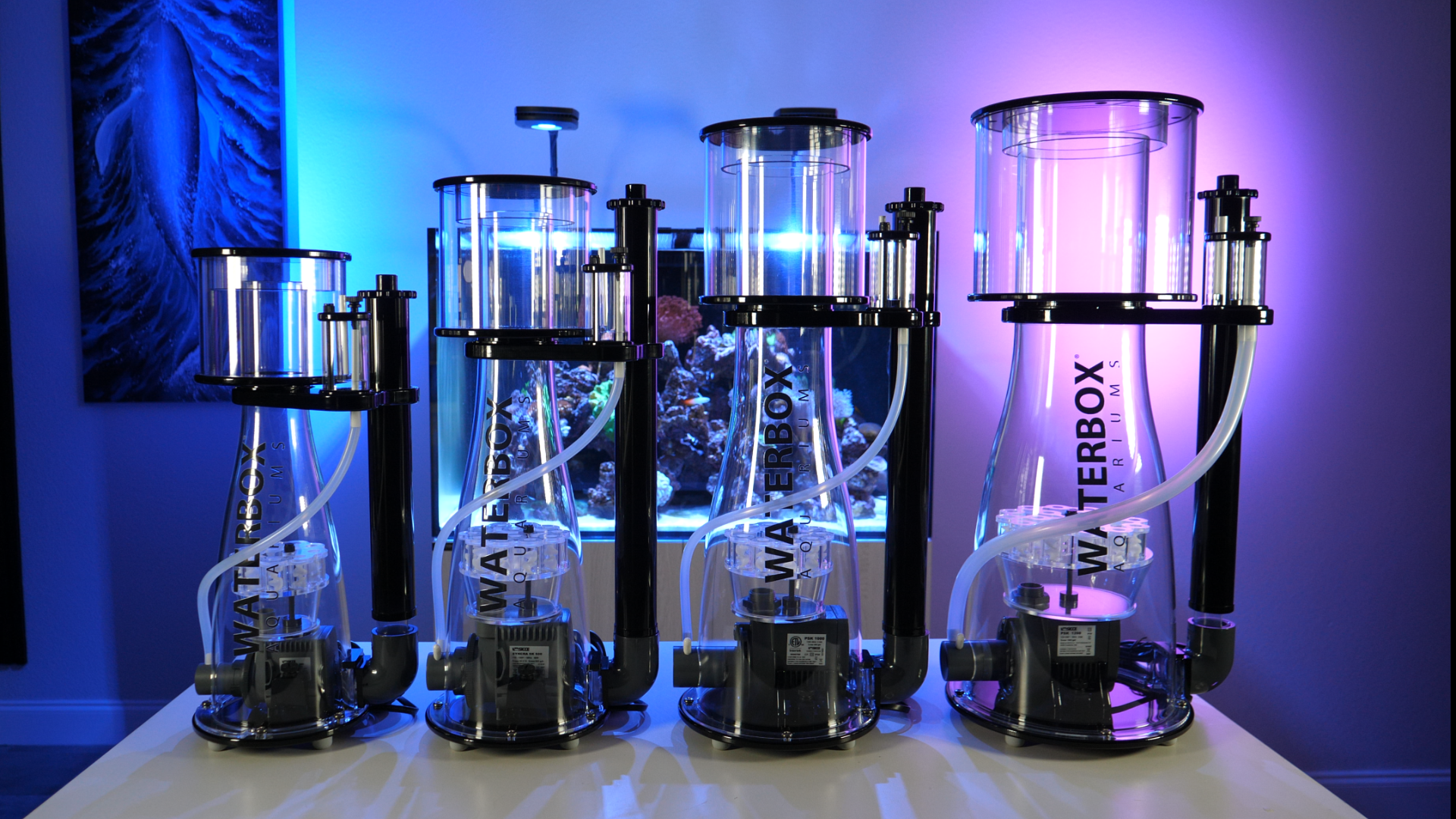
Proper sizing is critical for protein skimmer effectiveness. Most manufacturers rate their skimmers based on aquarium volume, but these ratings often assume light to moderate bioloads. For heavily stocked reef tanks or those with demanding SPS corals, consider choosing a skimmer rated for 1.5 to 2 times your actual tank volume. Oversizing your skimmer provides better nutrient export capacity and allows the unit to operate more efficiently at lower settings.
Skimmer Types and Installation
Protein Skimmers come in several configurations to suit different aquarium setups. In-sump skimmers are the most popular choice for larger reef systems, offering powerful performance without occupying display tank space. Hang-on-back (HOB) models work well for tanks without sumps, though they're typically limited to smaller aquariums. Internal skimmers mount inside the display tank, providing a space-saving option for unique configurations. Consider your available space, plumbing capabilities, and aesthetic preferences when selecting a skimmer type.
Quality and Performance Features
Investment in a quality protein skimmer pays dividends through reliability, efficiency, and ease of maintenance. Look for skimmers with controllable pumps that allow fine-tuning of bubble production and foam levels. Cone-shaped reaction chambers generally provide better performance than cylindrical designs by maintaining bubble contact time. Easy-to-remove collection cups with drain valves simplify the cleaning process, encouraging regular maintenance that keeps the skimmer operating at peak efficiency.
Integrating Protein Skimmers into Your Complete Reef Filtration System
A protein skimmer shouldn't be viewed as a standalone solution but rather as one component of a comprehensive reef filtration system. Mechanical filtration removes particulate waste, biological filtration processes ammonia and nitrite, and chemical filtration through activated carbon and other media addresses dissolved compounds. The protein skimmer complements these methods by targeting specific dissolved organics that other filtration types miss.
For optimal results, position your protein skimmer to receive water flow early in your filtration sequence, before other chemical media. This placement allows the skimmer to remove organics before they have an opportunity to break down. However, avoid placing skimmers immediately after adding supplements or feeding, as they may remove beneficial additives before your corals can utilize them.
Regular monitoring of skimmer performance ensures consistent results. Check collection cup fill rates, skimmate color and consistency, and bubble production patterns. Adjustments to pump speed or water level within the skimmer body can optimize performance as bioload changes or after adding new livestock. Clean the collection cup regularly—typically weekly for most systems—and perform deeper cleaning of the neck and pump components monthly.
Common Protein Skimmer Myths and Misconceptions
"Protein Skimmers Remove Beneficial Elements"
While Protein Skimmers do remove some beneficial microorganisms and trace elements along with waste products, the benefits far outweigh these minor losses. Regular dosing of essential elements and maintaining a healthy population of beneficial bacteria through other methods easily compensates for any removal by the skimmer. The stability gained through effective protein skimming creates an environment where beneficial organisms thrive.
"You Don't Need a Skimmer with Frequent Water Changes"
Although regular water changes are crucial for reef tank health, they serve different purposes than protein skimming. Water changes replace trace elements, adjust salinity, and dilute accumulated nutrients, while skimmers provide continuous waste removal between changes. Using both methods together creates the most stable environment, with the skimmer handling daily waste removal and water changes addressing periodic parameter adjustments.
"Cheap Skimmers Work Just as Well"
Quality differences in Protein Skimmers significantly impact performance, reliability, and longevity. Budget models often struggle to produce consistent bubble sizes, lack adjustment capabilities, and require more frequent maintenance. Investing in a reputable protein skimmer from established manufacturers ensures better waste removal, quieter operation, and years of reliable service that ultimately saves money compared to replacing underperforming equipment.
Making Your Decision: Do You Really Need a Protein Skimmer
For most reef aquarium hobbyists, especially those maintaining coral-focused systems, a protein skimmer represents one of the best investments you can make in long-term aquarium health and success. The device provides continuous, automated waste removal that creates stable water conditions conducive to coral growth and coloration. Whether you're cultivating a collection of colorful zoanthids, branching acropora colonies, or stunning mushroom corals, the consistent water quality maintained by a quality protein skimmer supports your livestock's health and your enjoyment of the hobby.
The question isn't really whether Protein Skimmers work; they demonstrably provide significant benefits for saltwater aquariums. Instead, consider whether your specific setup, livestock selection, and maintenance capabilities make a skimmer necessary versus simply beneficial. For dedicated reef keepers investing in quality corals and fish, the answer is usually clear: a properly sized, quality protein skimmer is an essential component of your reef filtration system that pays dividends through reduced maintenance, better coral health, and greater long-term success in this rewarding hobby.
Final Thought
A Protein Skimmers isn’t just another piece of reef equipment, it's a long-term investment in stability, clarity and coral health. While it’s possible to run certain low-bioload or nano systems without one, most reef aquariums benefit enormously from the continuous waste removal and oxygenation a skimmer provides. By exporting organic waste before it turns into nitrates and phosphates, a protein skimmer reduces algae issues, supports sensitive corals, and makes overall tank maintenance far more manageable.
If your goal is a thriving, visually stunning reef with healthy fish and vibrant corals, a properly sized, quality protein skimmer is rarely a regretful purchase. Think of it as insurance for your reef working quietly in the background to keep water conditions stable so you can focus on enjoying your aquarium rather than constantly correcting problems.
FAQs
Q1. What is a protein skimmer?
A protein skimmer removes dissolved organic waste from saltwater aquariums before it turns into nitrates and phosphates.
Q2. Do reef tanks need a protein skimmer?
Most reef tanks benefit from a protein skimmer, especially those with corals or heavy fish loads.
Q3. Can I run a reef tank without a skimmer?
Yes, small or low-bioload tanks can run without one, but require frequent water changes.
Q4. Are protein skimmers good for corals?
Yes, they help maintain low nutrients, which supports healthier coral growth and color.
Q5. Do protein skimmers prevent algae?
They reduce algae by removing nutrients that algae feed on.
Q6. How often should a protein skimmer be cleaned?
Clean the collection cup weekly and deep clean monthly.


Share and get 15% off!
Simply share this product on one of the following social networks and you will unlock 15% off!